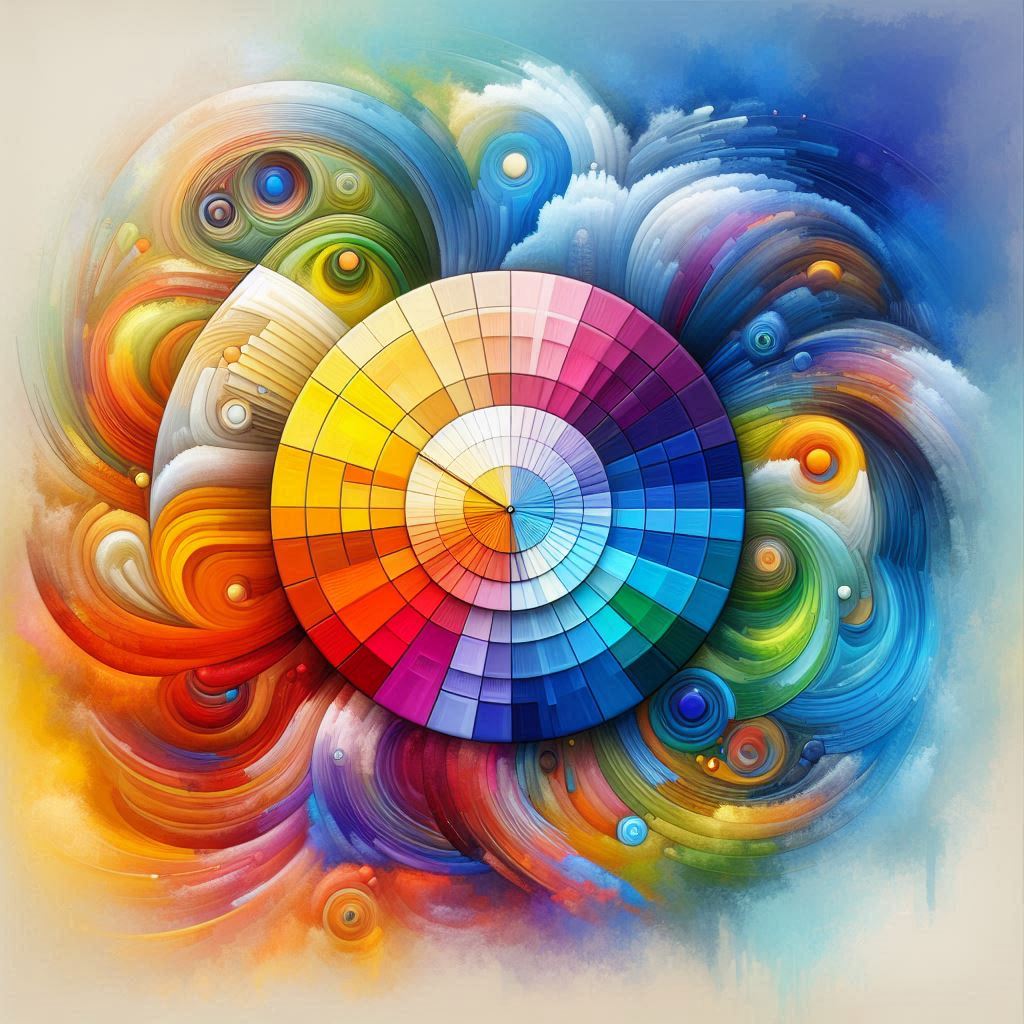
Color as a Compass for Emotions
Color as a Compass for Emotions: Color reflects psychological states and influences the direction of emotions.
Primary colors are associated with specific emotional responses, such as celebrations and holidays, sadness, depression, as well as vitality and energy.
Color connects things directly to emotions through:
It serves as an artistic outlet: When choosing and applying colors in drawing and painting, the release of stress hormones and dopamine decreases.
It reads the subconscious: This reflects a preference for a particular color and its repetition in clothing and furniture, satisfying a hidden mood without the need for words.
This creates a feeling of comfort, as if the color is not just an ordinary color, but a color that represents you and reflects your personality.
Color as a Compass for Emotions: Due to its direct impact on emotions, mood, and energy, color choice affects all aspects of design, from architecture and tailoring to seasonal clothing and private spaces such as offices and homes, including bedrooms.
If we consider the universal signs and symbols used in navigation, we find they are linked to emotions, such as the feeling of fear when crossing traffic lights, and signs like the green arrow indicating safety, or the left arrow indicating that you are safe.
Even in official documents, colors symbolize meanings that directly affect emotions, such as the sense of security provided by a passport or green card.
Conscious and unconscious emotions are generally influenced by colors. In food, dark colors indicate ripeness, while bright and fresh colors indicate abundance, as do flowers and the colors of the rainbow. Everything has clear and specific connotations.
Moreover, color gradients suggest a smooth journey to a destination, whether uphill or downhill, without fatigue or eye strain, especially when contrasting colors are used, which makes a person feel safe and secure.
Colors have many meanings, practically intertwined in daily life, from the darkness of night to the light of day, and have close connections to nature, both spiritually and psychologically. Colors play a role in war and peace, and in all emotions, from fear to security.
Color is a fundamental element of digital or visual identity—whether visual, commercial, or digital—as seen in national flags, the colors of institutions that reflect their work style, corporate colors, green agricultural sectors, and so on.
Color is essential for digital identity; each color has its own significance and symbolism.
Color represents a powerful visual compass that significantly influences emotions in all aspects of life.