Technology as an Extension of Human Activity

Human technological thought is not a branch of philosophy,

Technology as an Extension of Human Activity

Introduction
Human activity is not limited to physical movement or practical tasks; it is an expression of awareness, intention, and the continuous effort to reorganize reality. Technology emerges from this activity as an inorganic extension of it-a systematic projection of human capabilities into forms that transcend biological limitations. This chapter explores how human actions evolve into technological systems, how the organic is reflected in the inorganic, and how this transformation reshapes the relationship between humanity and the all world

Human action as a cognitive structure

Human action as a cognitive structure
Human action is rooted in cognitive processes that interpret, evaluate, and transform experience. Every action begins as an internal state-an intention, a perception, a decision. Technology captures these internal states and translates them into external structures. This translation reveals that technology is not separate from human activity; it is the crystallization of cognitive patterns into functional systems.

Technology as an inorganic extension of organic action

The human body operates through organic mechanisms-neural signals, muscular movement, sensory feedback. Technology replicates these mechanisms in non-organic form

Sensors as extensions of perception
processors as extensions of reasoning
machines as extensions of physical capability
networks as extensions of communication

This mirroring is not imitation; it is functional translation. The organic logic of the human organism becomes encoded in technological design

The relationship between humans and machines: functional similarity, not existential similarity.

Humans and machines do not share the same essence. The human organism is alive, self-regulating, and conscious. The machine is structured, functional, and dependent. Yet despite this ontological difference, there is a functional alignment between the two:

both process inputs
both generate outputs
both operate through systems
Both rely on feedback loops

This alignment allows technology to integrate seamlessly into human activity, not as a replacement for the human, but as an extension of human function.

Technology as a transformation of consciousness into impact

Human consciousness generates ideas, intentions, and interpretations. Technology transforms these internal states into external artifacts. This transformation occurs through:

conceptualization
design
implementation
iteration

Through this process, the human mind externalizes itself. A technological system becomes a visible trace of invisible cognition-a materialization of thought

Technological action and the reshaping of reality

Technological activity does not merely extend human capability; it reorganizes the environment. Through technology, humans:

reshape space
redefine time
restructure social interaction
expand cognitive reach

This reconstructive power alters the conditions of existence. Technology becomes a medium through which humans redesign the world according to their needs, values, and aspirations.

Technology as a system evolves through human action

Technological systems evolve through continuous interaction with human activity. This evolution follows a pattern

need generates innovation
innovation generates systems
systems generate new needs
new needs generate further innovation

This cycle reveals that technology is not static; It is a dynamic extension of human evolution

Limits of reach: Where does the human stop and where does the machine begin

Despite the deep integration between humans and technology, there remains a boundary:

the human possesses consciousness, intention, and organic life
The machine possesses structure, function, and programmed logic

This boundary is not a barrier but a distinction. It preserves the uniqueness of human existence while allowing technology to amplify human potential.

And in the conclusion
Technology, as an extension of human activity, reveals the profound connection between cognition, action, and system-building. It shows how humans externalize their internal processes, translate organic logic into non-organic structures, and reshape reality through structured innovation. This chapter prepares the ground for the next exploration: the historical evolution of technological thought across civilizations and the shifting boundaries between human and machine

Read more

The Methodology of Technological Development

The human mind in the face of crises

Technological development is not a random accumulation of inventions; it is the outcome of a structured methodology rooted in human cognition. This methodology emerges from the interaction between organic systems, conceptual reasoning, and the practical demands of survival and progress. Understanding this methodological foundation is essential for explaining how technological ideas evolve into coherent systems and how civilizations transform knowledge into infrastructure, institutions, and innovation. This chapter examines the principles that govern technological development and the cognitive processes that shape its trajectory.

Technological development approach

The human mind in the face of crises

Technological development is not a random accumulation of inventions; it is the outcome of a structured methodology rooted in human cognition. This methodology emerges from the interaction between organic systems, conceptual reasoning, and the practical demands of survival and progress. Understanding this methodological foundation is essential for explaining how technological ideas evolve into coherent systems and how civilizations transform knowledge into infrastructure, institutions, and innovation. This chapter examines the principles that govern technological development and the cognitive processes that shape its trajectory.

Human Modification of Nature and the Pursuit of Truth

Privacy Policy – Suad Al-Saati Platform

Human Modification of Nature and the Pursuit of Truth, the evolution of human technological thought cannot be understood without examining the long arc of humanity’s interaction with nature. From the earliest attempts to shape the environment to the sophisticated systems of the modern era, humans have consistently transformed natural phenomena into structured knowledge. This chapter explores how the human pursuit of truth—scientific, existential, and practical—has driven the modification of nature and the emergence of technological systems. By tracing this historical and cognitive trajectory, we uncover the deep connection between human thought, natural processes, and the development of civilization.

The Cognitive Architecture of the Technological Mind

Creative technology and breaking the ice of ideas

Understanding human technological thought requires examining the cognitive architecture that enables it. Technology does not emerge from isolated acts of invention; it arises from a structured mental system capable of abstraction, pattern recognition, and conceptual transformation. This chapter explores the internal mechanisms of the mind that generate technological thinking, revealing how biological processes give rise to cognitive structures that shape technological development. By analyzing these mechanisms, we uncover the foundations upon which human innovation is built

Foundations of human technological thought

Explanatory introduction

The study of human technological thought begins with a fundamental observation: the human mind does not merely respond to the world-it reconstructs it

Throughout history, moments of intellectual stagnation have acted as catalysts for transformation, prompting individuals

and societies to reorganize their understanding of reality

This chapter explores the foundations of technological thought as a distinct cognitive phenomenon,

one that transcends the boundaries of tools and machines to reveal a deeper structure within human cognition.

By examining the roots, functions, and implications of this mode of thinking, we establish the conceptual groundwork for understanding how technology emerges from the human organism and shapes the trajectory of civilization.

Definition of human technological thought

Human technological thought can be defined as a cognitive framework through which individuals convert complexity into structured systems.

Unlike technical thinking-which focuses on the practical execution of tasks-technological thought is a higher-order process that reorganizes knowledge, identifies patterns,

and generates new conceptual models

It is not limited to engineering or computation; rather, it is a mental orientation that interprets obstacles as opportunities for innovation.

This orientation transforms raw experience into structured insight, allowing humans to create systems that extend their capabilities beyond biological limits

The roots of technological thought in the human mind

The origins of technological thought lie in the brain’s ability to navigate

uncertainty
When confronted with stagnation or cognitive blockage,

the mind engages in a process of reconfiguration, seeking new pathways through imagination, abstraction, and synthesis


This capacity for reorganization distinguishes human cognition from reactive forms

of intelligence found in nature
It enables the mind to transcend immediate sensory input and construct alternative realities-models, hypotheses, and systems-that can be tested, refined, and applied
In this sense, technological thought is rooted in the brain’s evolutionary drive to adapt and survive through conceptual innovation

The relationship between technological thought and the organic structure of man

The structure of technological systems reflects the architecture of the human brain.

Just as the brain is divided into specialized regions responsible for perception, emotion, and motor control, technological systems evolve through analogous functional divisions.

These parallels are not coincidental; they arise because technology is shaped by the same cognitive processes that govern human behavior. The human organism interprets the world through layered systems-sensory, emotional, rational-and these layers are mirrored in the design of technological frameworks. This organic–technological correspondence reveals that technology is not an external artifact but an extension of the human cognitive structure.

Technological thinking as a tool for reorganizing chaos

One of the defining features of technological thought is its ability to reorganize chaos. Rather than perceiving disorder as a threat, the technological mind treats it as a field of potential. Through classification, modeling, and system-building, the mind transforms unstructured information into coherent frameworks. This process is evident in scientific discovery, engineering design, and even social organization.

The capacity to convert chaos into order is not merely a technical skill

it is a cognitive strategy that enables humans to navigate complexity and generate sustainable solutions

The impact of technological thought on development and progress

Technological thought plays a central role in development. It bridges the gap between abstract knowledge and practical application, enabling societies to translate ideas into infrastructure, institutions, and innovations.

Development is not simply the accumulation of tools; it is the cultivation of a cognitive environment in which technological thinking can flourish

When individuals and communities adopt this mode of thought, they gain the ability to anticipate challenges, design adaptive systems

and pursue long-term progress. Thus, technological thought becomes a driver of sustainable development, shaping economic, social, and cultural transformation.

Technological thinking as a cognitive survival instinct

Beyond its cognitive and structural dimensions, technological thought functions as a survival instinct. Throughout human evolution, the ability to innovate has been essential for overcoming environmental challenges, securing resources, and ensuring continuity.

This instinct manifests not only in the creation of tools but in the development of conceptual systems that enhance decision-making and adaptability.

Technological thought, therefore, is not a luxury of advanced societies; it is a fundamental expression of the human drive to persist, evolve, and transcend limitations.

By viewing technology as a cognitive survival mechanism, we gain a deeper understanding of its role in shaping human destiny.

In conclusion

The foundations of human technological thought reveal a complex interplay between cognition, biology, and culture.

Technology emerges not as an external force

but as a structured expression of the human mind-rooted in the brain’s architecture, driven by the need to reorganize chaos, and sustained by the instinct for survival.

This chapter establishes the conceptual basis for exploring how technological thought evolves, how it shapes human experience,

and how it can be harnessed for development

The next chapter will examine the cognitive architecture that underlies this mode of thinking, offering a deeper look into the mechanisms through which the mind generates technological systems.

Read more

The Contemporary Myth

The Contemporary Myth, there is a kind of raw material that is not shaped by imagination, but by days that strike, melt, and refine it u

The Contemporary Myth, there is a kind of raw material that is not shaped by imagination, but by days that strike, melt, and refine it u

The Philosophy of Experience

The Growth Approach Goals are not deferred dreams, but rather organizational tools that redirect effort toward what is possible. Success is measured by the consistency between understanding and practice, not by external recognition. Wisdom

Life is transient, urging us to seize every experience for growth and wisdom. Mistakes are learning opportunities, not flaws, shaping our journey. Goals are the bridges to realized hopes. True success lies in inner joy, not external applause, as we share our insights to guide others and honor the lessons of experience.

Spark of Cumulative Creativity

Spark of Cumulative Creativity

Spark of Cumulative Creativity

First and foremost, the spark of cumulative creativity stems from the goal itself

Developing cumulative creativity, or creative momentum, leads to a continuous generation of new ideas.

When a project focuses on a specific point

it stimulates the emergence of other ideas, ensuring the project\’s continued development and growth in the field of innovation.

In fact, creativity, discoveries, and inventions stem from the project\’s perspective and objective,

through collaborative thinking integrated with the surrounding creative work environment.

The cumulative aspects of this environment, which are both influenced by and influence these aspects, include

A reciprocal influence encompassing accumulation with growth, creative movement, continuity of work, momentum generation phases,

and factors that foster synergy and curiosity, leading to the creation of new and innovative ideas

Creative momentum is formed through its role in connecting reality with imagination to produce unconventional creative outputs,

resulting in a continuous flow of new and innovative ideas. Since strategy determines its course, the moment of interaction between these two paths is crucial: momentum begins at their convergence

The path (the core idea) operates along a regular and stable central axis. This path (the elements that revolve around it) moves at a flexible speed, adapting to change and expansion.

This interaction is similar to the moment an engine starts. Therefore, motion alone is insufficient; momentum requires a close connection between the elements.

But motion alone is also insufficient; momentum requires harmony among

the elements involved, from the initial stages of the process to the final result

Read more

Innovative projects – ideas and solutions

Home - Creativity True Resolve | Suad Al-Saati Welcome to Creativity True Resolve, where we celebrate technological advancements

Innovative projects – ideas and solutions

Introduction: We would like to point out some things in our plan that is currently being implemented. Awareness Before Skill

creative abilities

Color Coordination in Design | Suad Al-Saati

creative abilities
Creative abilities, or the capacity for intense creativity, emerge when diverse skills converge to form ideas that blend harmoniously. blend intellectual, psychological, and technical dimensions with an innate, advanced artistic style.

Design Thinking and Creativity

Design thinking is a creative methodology that focuses on problem-solving and innovation. by Suad Al-saati

Design Thinking and Creativity
Introduction: design thinking is a powerful methodology that has become essential in today’s world of innovation. It is not only a tool for designers but also a mindset that organizations adopt to solve complex problems creatively. By focusing on the user, design thinking helps generate solutions that go beyond traditional approaches, resulting in distinctive products and services

Digital Challenges Opportunities

Digital Challenges Opportunities

Digital Challenges Opportunities
First and foremost, digital challenges are opportunities for growth, this website is a living record of my ongoing journey in the digital world, documenting not only my achievements but also the lessons learned from each obstacle. Every challenge has become a testament to resilience and discovery, transforming difficulties into valuable insights that enrich a path many aspire to, and which I share here in the public forum

Developing cumulative creativity

Developing cumulative creativity: How to develop the ability to be highly creative Formed, From Interaction to Movement… and from Movement to a Complete System After understanding the two creative directions—static and dynamic—the essential question becomes How does this interaction transform into “momentum” capable of propelling the idea forward

Chapter Three: How to develop the ability to be highly creative Formed

The power of creative abilities

The power of creative abilities

The power of creative abilities

creative rhythm

Creative rhythm is a dynamically structured art form, a creative artwork that blends sound, movement, expressive language, and symbolic forms

Creative rhythm is a dynamically structured art form, a creative artwork that blends sound, movement, expressive language, and symbolic forms

However, these elements combine to produce a profound and impactful work of art from several angles, a work that transcends the ordinary

Creative thinking through innovation

Creative thinking through innovation

Creative thinking through innovation, is a creative approach or strategy that expands the scope of ideas and allows for their exploration without traditional constraints

Chapter Four: Crowded Creativity in Practice

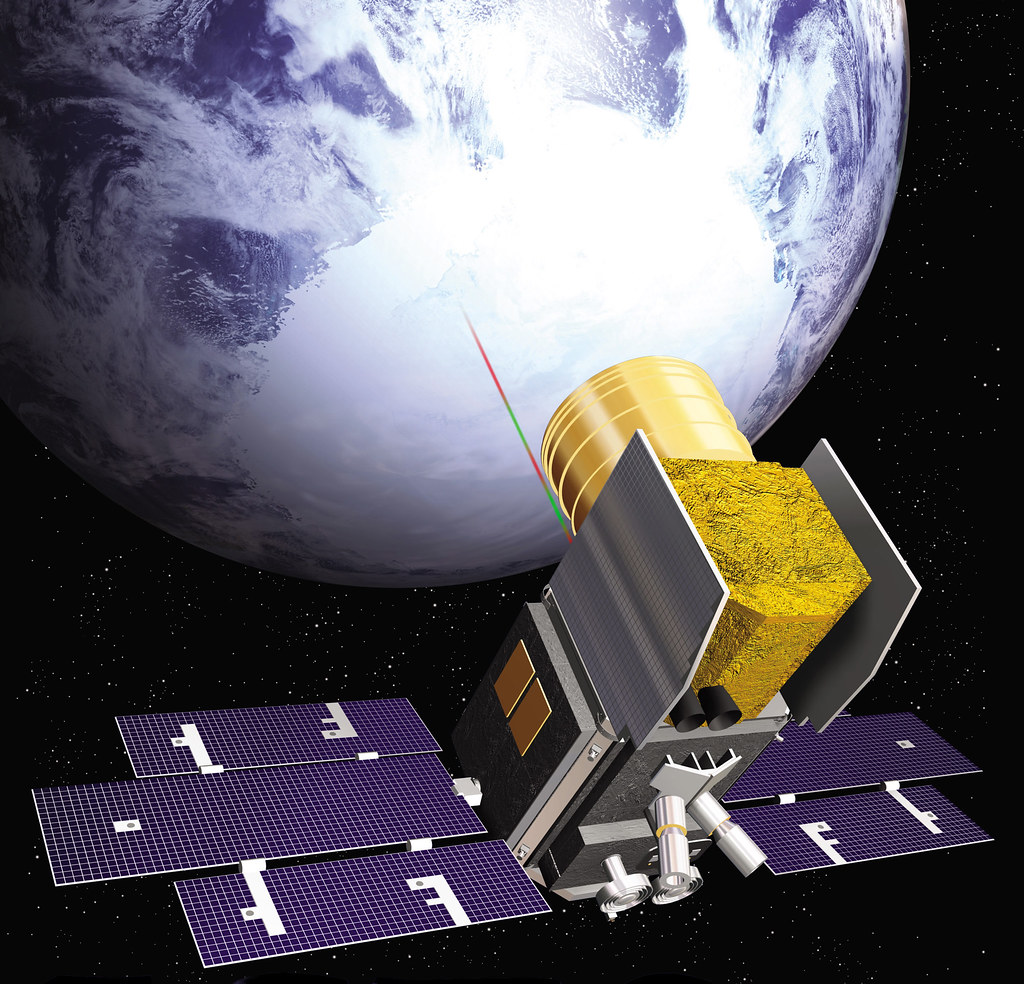
Ice, Cloud, and Land Elevation Satellite (ICESat)

In Design ✦ In Design: From Idea to Complete ExperienceSuccessful design doesn’t begin with form, but with the coreThe purpose, the message, or the essential functionThen comes the dynamic interplay:ColorsLinesSpacesMaterialsArrangementInteractionVisual ExperienceEach element revolves around the core and adds to it.With sequence and harmony, a visual momentum is created that makes the design cohesive, understandable, and … Read more

The concept of creative ability

The concept of creative ability is defined as follows: It is the framework that explains how a small idea can be transformed into a large-scale system with a large impact

The concept of creative ability is defined as follows: It is the framework that explains how a small idea can be transformed into a large-scale system with a large impact

Theater of Creative Excellence

Theater of Creative Excellence On the stage of creativity, the creator stands at a pivotal moment, where ideas transform into unique works, and personal experience becomes a

From Fraud to Freedom: Creative Journey, Article documents a personal Aud to freedom, a resilience, learning, and creativity. What began as a painful experience with online scammers transformed into a courageous act of self-empowerment: building ten websites that express their rejection of exploitation. It is a testament to how adversity can ignite creativity and lead to lasting innovation.

posts-Digital Pathway

Digital Pathway is a growing knowledge space… Suad Al-Saati - a writer, thinker, and digital architect exploring the intersections between philosophy, creativity, and human experience.

Site Vision: A Project to Understand Humanity Through Freedom, Intelligence, and Creativity This site is an intellectual project that explores humanity from three interconnected perspectives:Freedom as the essence of existence, intelligence as a tool for understanding, and creativity as an act that transforms the world. Here, existentialism intersects with logical thinking, and psychoanalysis intertwines with … Read more

Concepts of digital sovereignty for each individual

Concepts of digital sovereignty for each individual

Concepts of digital sovereignty for each individual

First of all, Concepts of digital sovereignty for each individual

Protecting individual Data –Digital Sovereignty
This page explores the concepts of individual data protection and digital sovereignty, highlighting the importance of protecting personal data in the digital age

Creativity and authentic expression

Creativity and authentic expression, as a Means of Meaning in a Crowded Digital World

Creativity and authentic expression, as a Means of Meaning in a Crowded Digital World
? Why has creativity become an existential necessity, not just a skill
? How does creativity connect identity, technology, and autonomy
it is no longer a luxury. It has become a way to exist in a crowded world
Through creativity, we redefine ourselves and reclaim meaning
This is the essence of Creativity & Meaning

Growing Creative Intellectual Independence

Growing Creative Intellectual Independence, creative Intellectual Independence is the mastery of distinct cognitive skills that distinguish an individual, even from those with superior abilities. This independence leads to unique advantages, most notably creativity, which flourishes through in-depth and reflective thinking

Creative Intellectual Independence is the mastery of distinct cognitive skills that distinguish an individual, even from those with superior abilities. This independence leads to unique advantages, most notably creativity, which flourishes through in-depth and reflective thinking

Fundamentals of Digital Creativity

Fundamentals of Digital Creativity

A Structured Exploration of Creative Foundations in the Digital Age

Introduction: The Mindset Behind Digital Creativity

The fundamentals of digital creativity begin with a flexible mindset—one that welcomes experimentation, repetition, and the willingness to reshape ideas as circumstances evolve. Creativity in the digital age is not merely the use of tools; it is the ability to study needs, observe changing variables, and design respo

The Architecture of Responsible Digital Presence

The Architecture of Responsible Digital Presence Suad - Digital Engineering

The Architecture of Responsible Digital Presence- Sub‑Introduction, Responsible presence is not a matter of visibility, but of coherence— the ability to appear online with intention rather than impulse
Suad – Digital Engineering

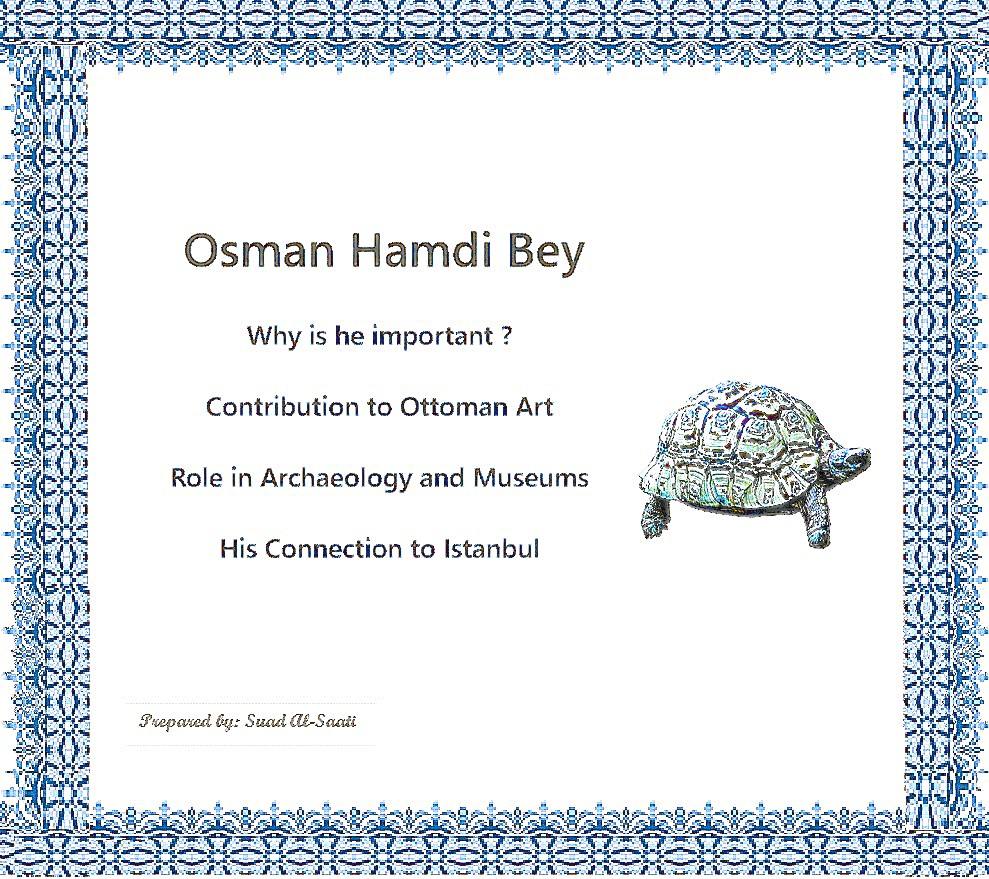
Osman Hamdi Bey

“Osman Hamdi Bey portrait with decorative frame and key points about his artistic and archaeological contributions.”

Osman Hamdi Bey is one of the most influential cultural figures of the late Ottoman era. The turtle symbolizes his most iconic work, The Tortoise Trainer.

Sezen Aksu

Sezen Aksu, she has influenced three generations of artists, and her songs are part of Turkish popular culture.

Sezen Aksu
Title: The Queen of Turkish Pop
Field: Music
She has influenced three generations of artists, and her songs are part of Turkish popular culture.

Türkan Şoray

Türkan Şoray iconic expressive eyes

Title: The Sultan of Turkish CinemaField: Cinema ? Why is it important Türkan Şoray is the most iconic actress in the history of Turkish cinema. With a career spanning decade and more than 200 films, she shaped the golden age of Yeşilçam and became a cultural symbol admired across generations. Her performances, emotional depth, and … Read more

Nazım Hikmet

Nazım Hikmet tribute design with poetic themes

A cultural exploration of Nazım Hikmet’s poetic legacy, his revolutionary voice, and his lasting impact on modern Turkish literature.

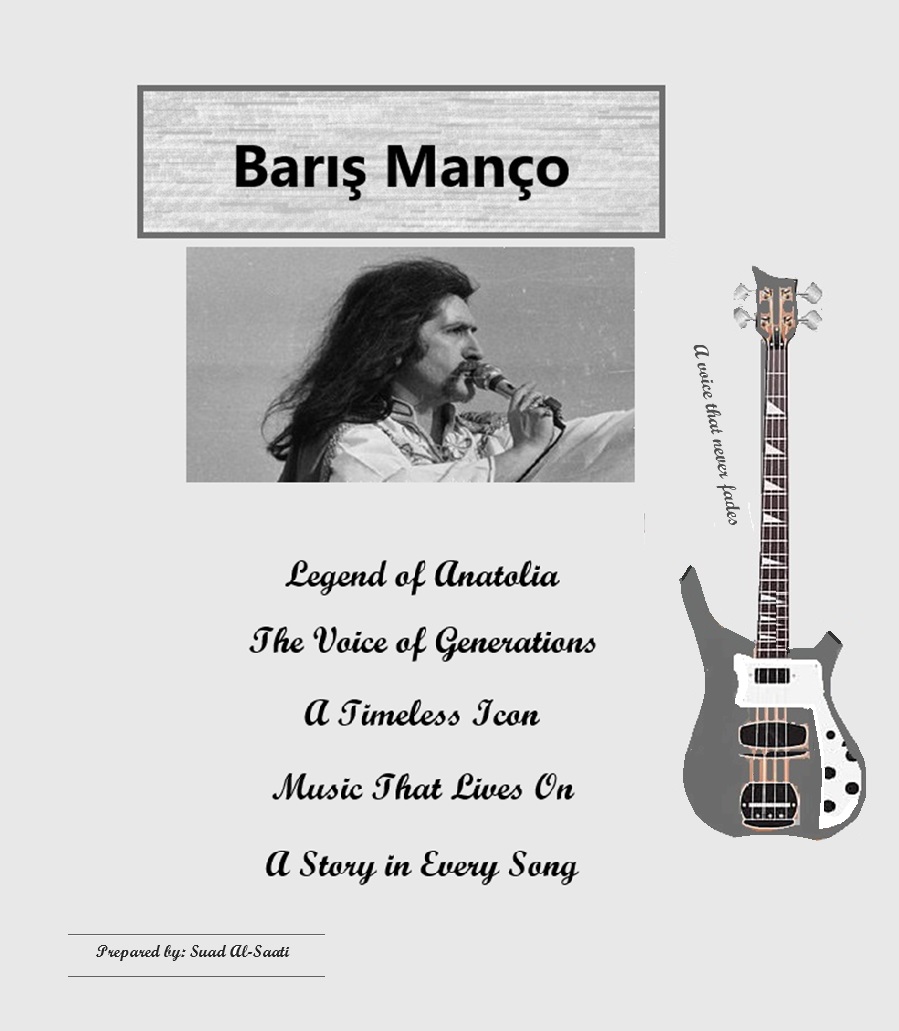
Barış Manço

“Portrait of Barış Manço, iconic Turkish musician known for Anatolian rock and cultural influence.”

“Barış Manço remains one of Turkey’s most beloved cultural icons

Zeki Müren

Zeki Müren revolutionized Turkish classical music with his refined vocal technique, emotional delivery, and elegant stage presence

Zeki Müren revolutionized Turkish classical music with his refined vocal technique, emotional delivery, and elegant stage presence

Orhan Pamuk

Orhan Pamuk is the first Turkish writer to win the Nobel Prize in Literature. His novels-especially Istanbul: Memories and the City-

Orhan Pamuk is the first Turkish writer to win the Nobel Prize in Literature. His novels-especially Istanbul: Memories and the City-

Ara Güle

Ara Güler was more than just a photographer; he was a living memory of Istanbul. Through his lens, he documented the city's life, its people, its streets, its noise, its silence, and its transformations over the decades.

“He is considered Turkey’s most famous documentary photographer…”

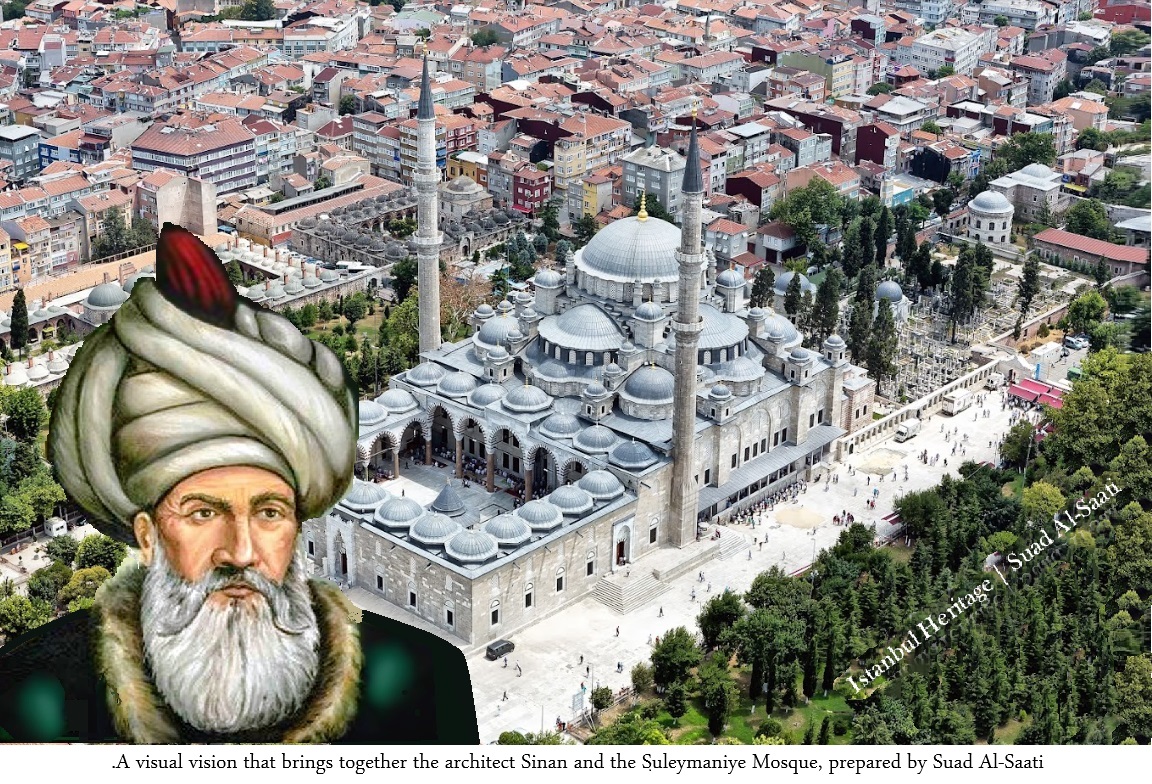
Architect Sinan, Ottoman architecture

A picture that combines the architect Sinan and the Suleymaniye Mosque in Istanbul, in a visual integration that highlights his architectural legacy.

Architect Sinan – Genius of Ottoman Architecture and Maker of Istanbul\’s Features,The architect Sinan is considered one of the greatest architects in the history of Islamic and Ottoman architecture and is regarded as one of the most prominent architects in the world throughout the ages.

Suleiman the Magnificent

Suleiman the Magnificent — The Golden Age of Ottoman Istanbul The Golden Age of Ottoman Istanbul, known as, is considered one of the greatest and most influential sultans of the Ottoman Empire in the history of Istanbul Suad Al-saati,

Suleiman the Magnificent, The Golden Age of Ottoman Istanbul the Golden Age of Ottoman Istanbul I, known as Suleiman the Magnificent, is considered one of the greatest and most influential sultans of the Ottoman Empire in the history of Istanbul.

Muhammad al-Fatih

Mehmed the Conqueror, Conqueror of Constantinople and architect of Ottoman Istanbul's identity

Sultan Mehmed II, known as Mehmed the Conqueror, is considered one of the greatest leaders in Ottoman and world history.

Mustafa Kemal Atatürk

Mustafa Kemal was born in 1881 in Salonika and rose through the ranks of the military to become a prominent commander during World War I. After the collapse of the Ottoman Empire, he led the War of Independence and founded the Republic of Turkey in 1923, initiating a period of comprehensive reforms that transformed the country.

Mustafa Kemal was born in 1881 in Salonika and rose through the ranks of the military to become a prominent commander during World War I. After the collapse of the Ottoman Empire, he led the War of Independence and founded the Republic of Turkey in 1923, initiating a period of comprehensive reforms that transformed the country.