Mimar Sinan
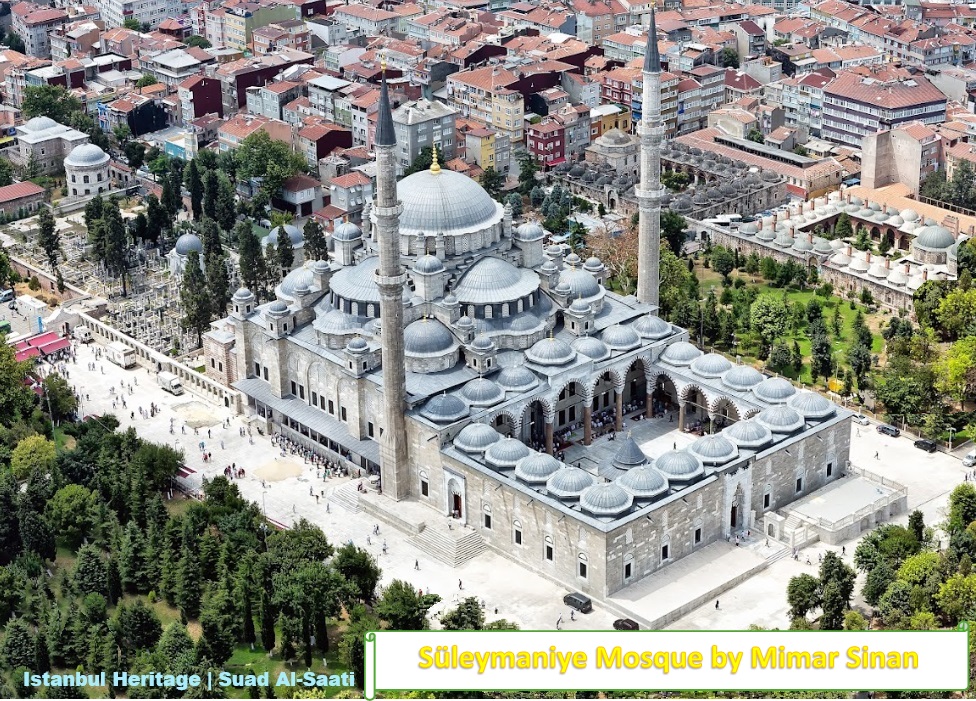
Mimar Sinan-The Süleymaniye Mosque
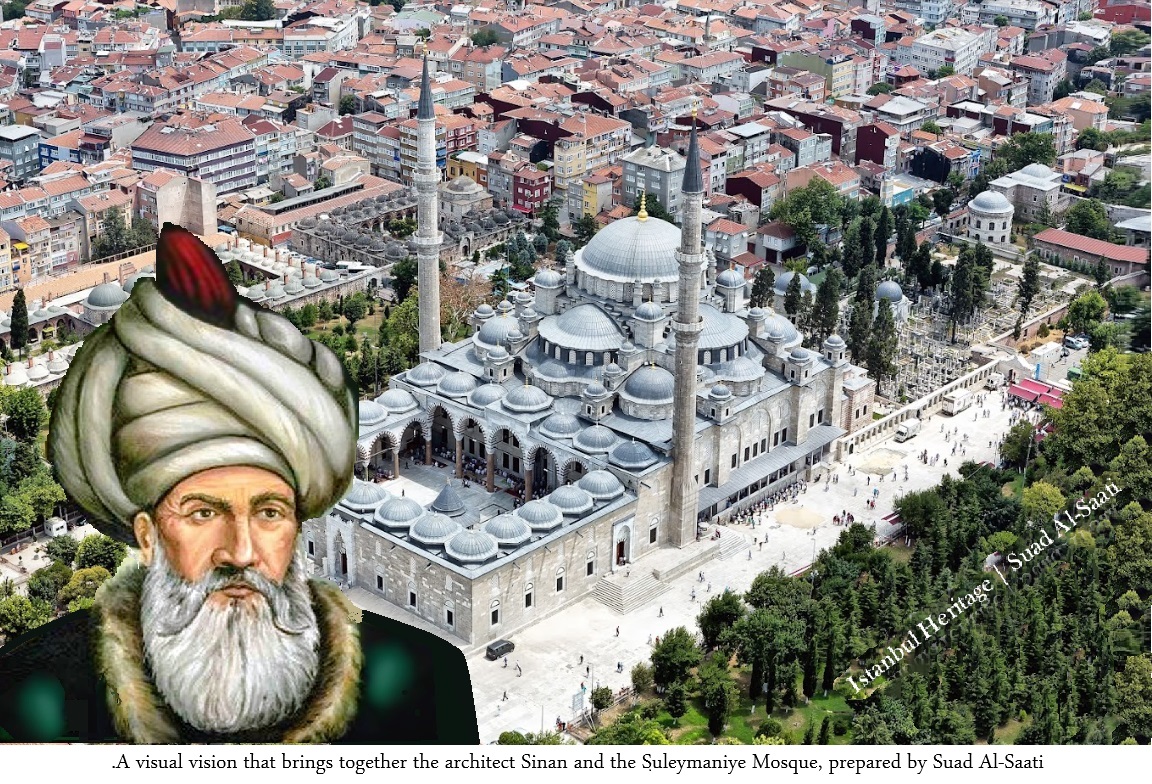
The Süleymaniye Mosque, also known as the Mosque of Sinan, was commissioned by Sultan Suleiman the Magnificent and stands proudly in the Süleymaniye district on the European side of Istanbul.
Mimar Sinan-The Süleymaniye Mosque
The Süleymaniye Mosque, also known as the Mosque of Sinan, was commissioned by Sultan Suleiman the Magnificent and stands proudly in the Süleymaniye district on the European side of Istanbul.

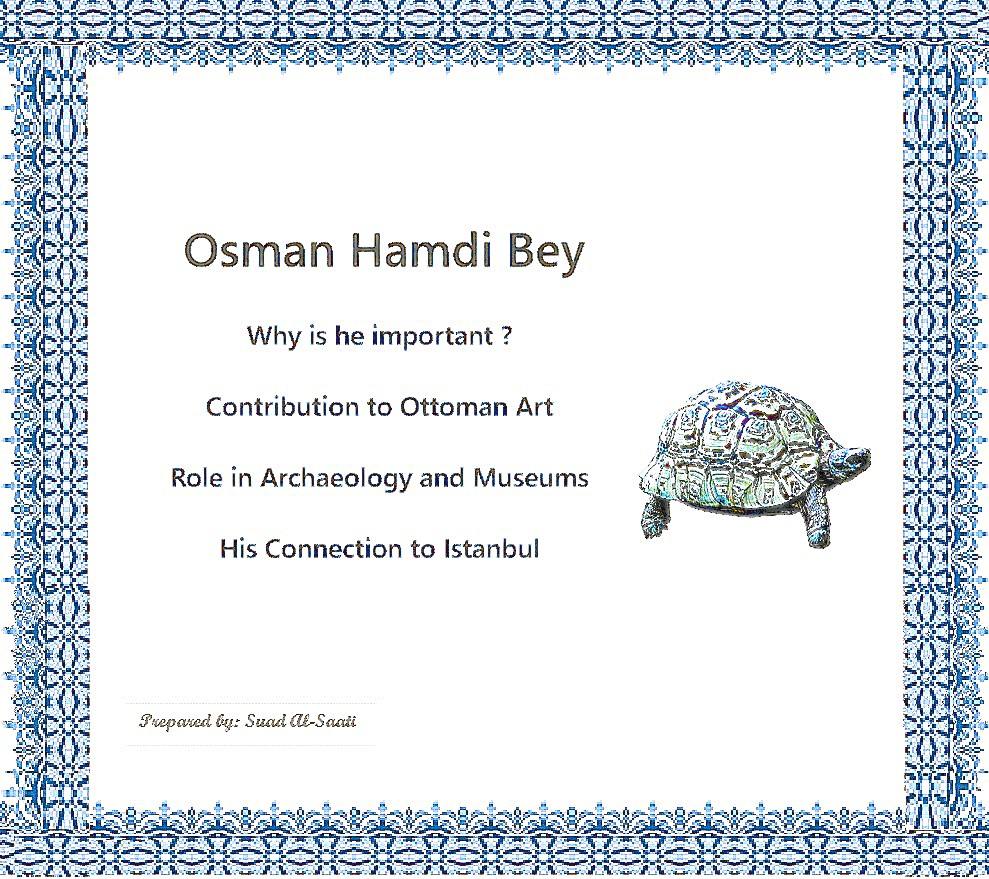
Osman Hamdi Bey is one of the most influential cultural figures of the late Ottoman era. The turtle symbolizes his most iconic work, The Tortoise Trainer.
Sezen Aksu
Title: The Queen of Turkish Pop
Field: Music
She has influenced three generations of artists, and her songs are part of Turkish popular culture.
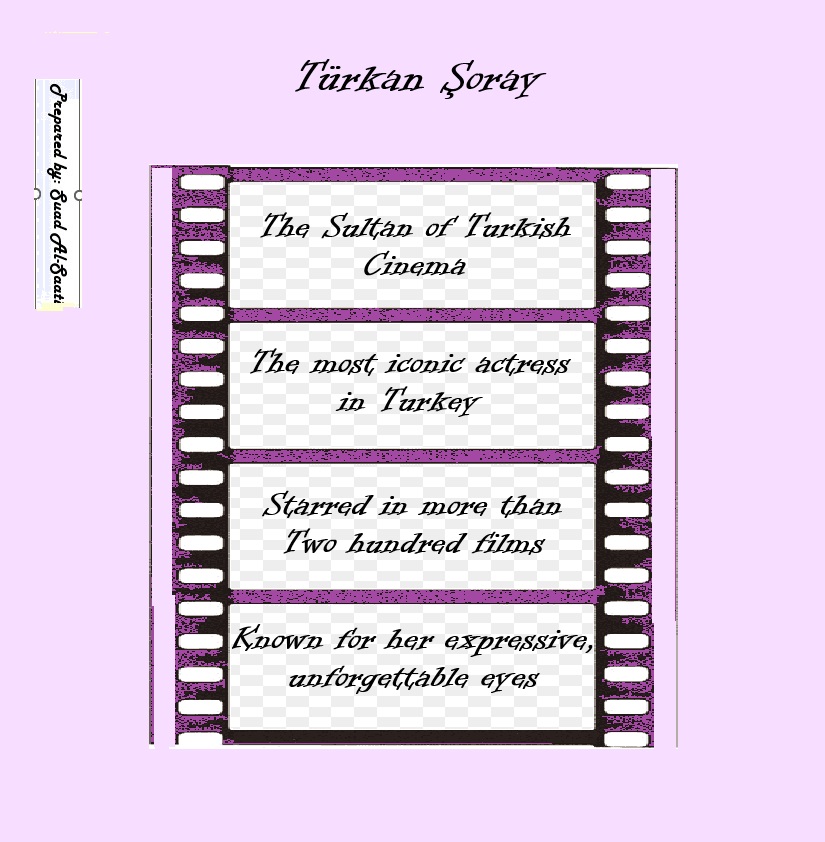
Title: The Sultan of Turkish CinemaField: Cinema ? Why is it important Türkan Şoray is the most iconic actress in the history of Turkish cinema. With a career spanning decade and more than 200 films, she shaped the golden age of Yeşilçam and became a cultural symbol admired across generations. Her performances, emotional depth, and … Read more
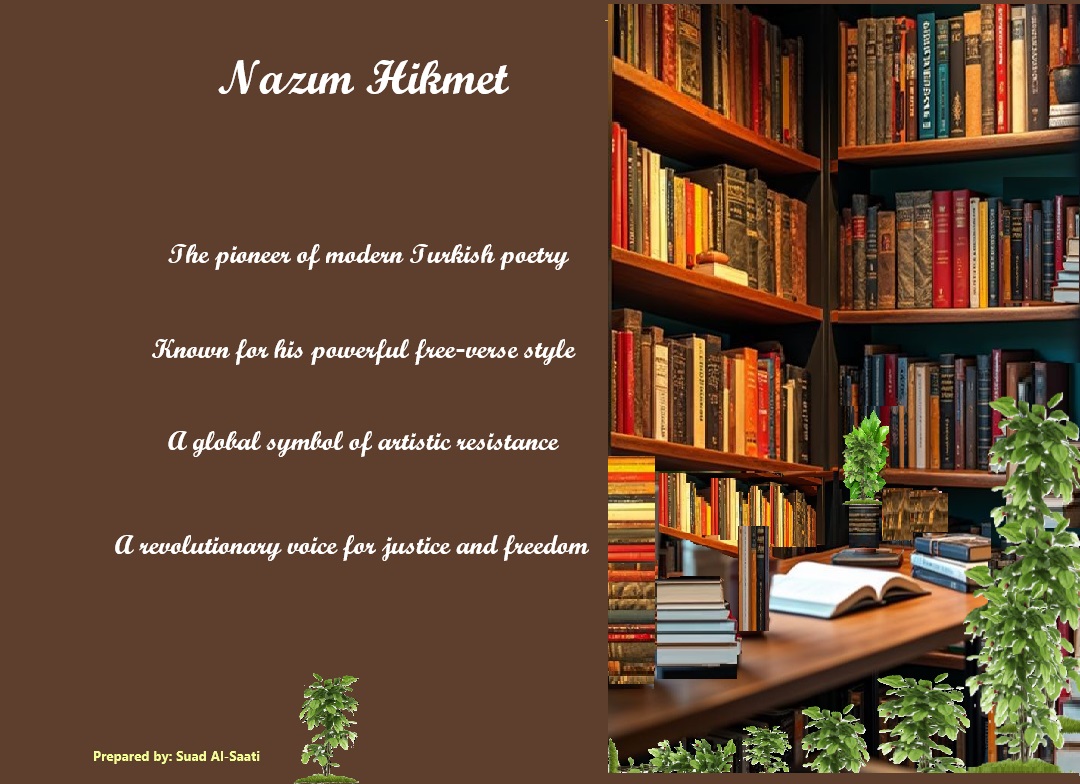
A cultural exploration of Nazım Hikmet’s poetic legacy, his revolutionary voice, and his lasting impact on modern Turkish literature.
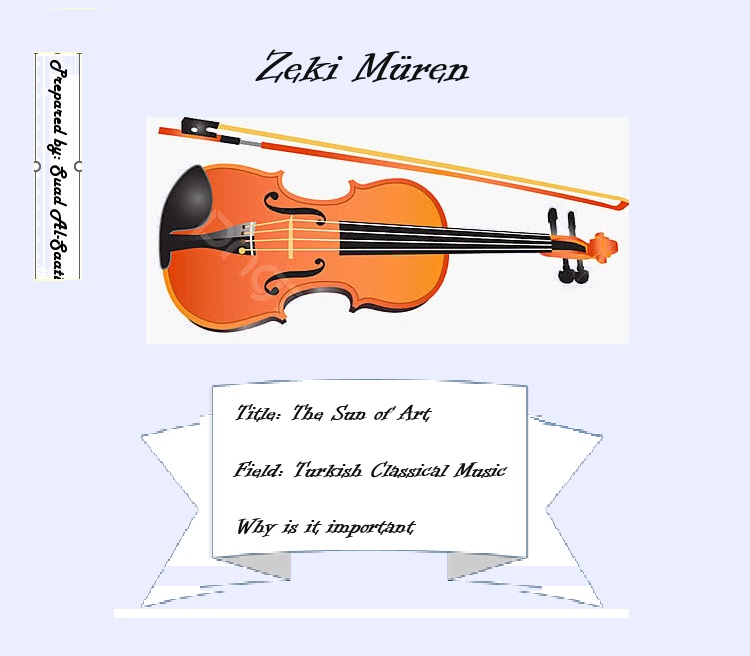
Zeki Müren revolutionized Turkish classical music with his refined vocal technique, emotional delivery, and elegant stage presence
Orhan Pamuk is the first Turkish writer to win the Nobel Prize in Literature. His novels-especially Istanbul: Memories and the City-
Architect Sinan – Genius of Ottoman Architecture and Maker of Istanbul\’s Features,The architect Sinan is considered one of the greatest architects in the history of Islamic and Ottoman architecture and is regarded as one of the most prominent architects in the world throughout the ages.
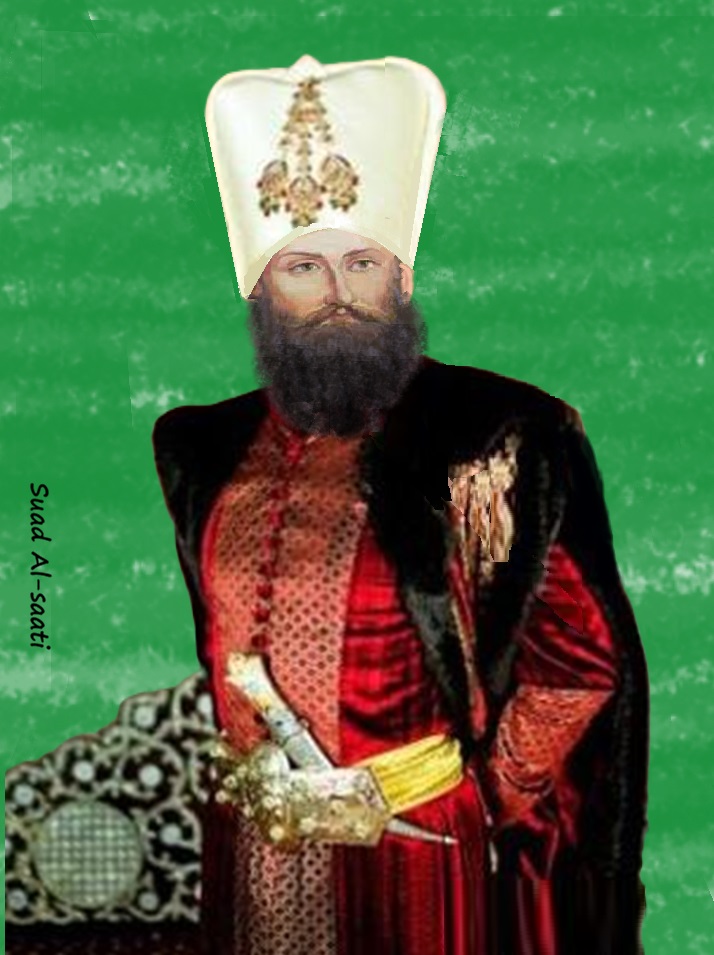
Suleiman the Magnificent, The Golden Age of Ottoman Istanbul the Golden Age of Ottoman Istanbul I, known as Suleiman the Magnificent, is considered one of the greatest and most influential sultans of the Ottoman Empire in the history of Istanbul.
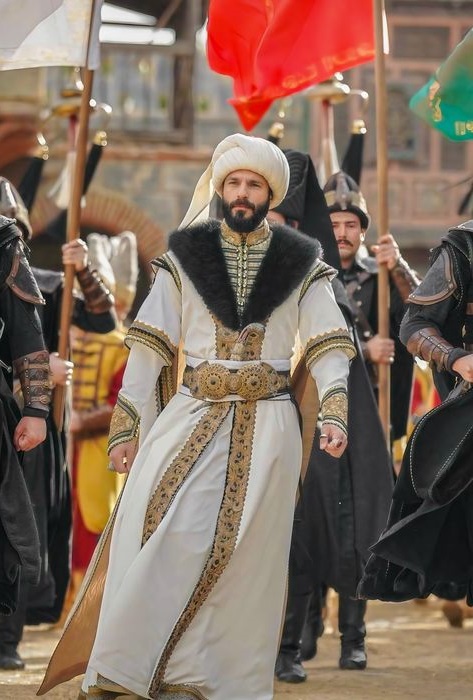
Sultan Mehmed II, known as Mehmed the Conqueror, is considered one of the greatest leaders in Ottoman and world history.
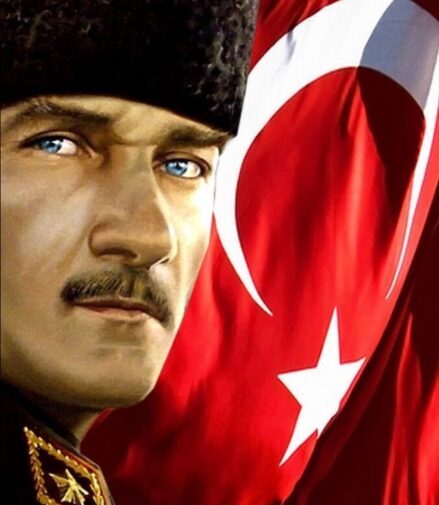
Mustafa Kemal was born in 1881 in Salonika and rose through the ranks of the military to become a prominent commander during World War I. After the collapse of the Ottoman Empire, he led the War of Independence and founded the Republic of Turkey in 1923, initiating a period of comprehensive reforms that transformed the country.
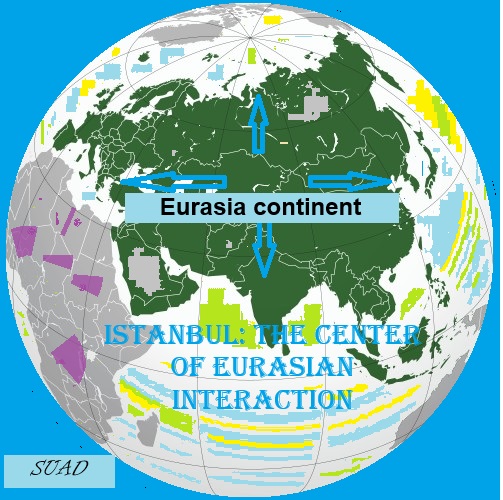
Istanbul: The Center of Eurasian Interaction
A region between Asia and Europe: a promising journey for growth and trade. Given its size and location, it represents a vibrant and dynamic interaction between nature and its creators.
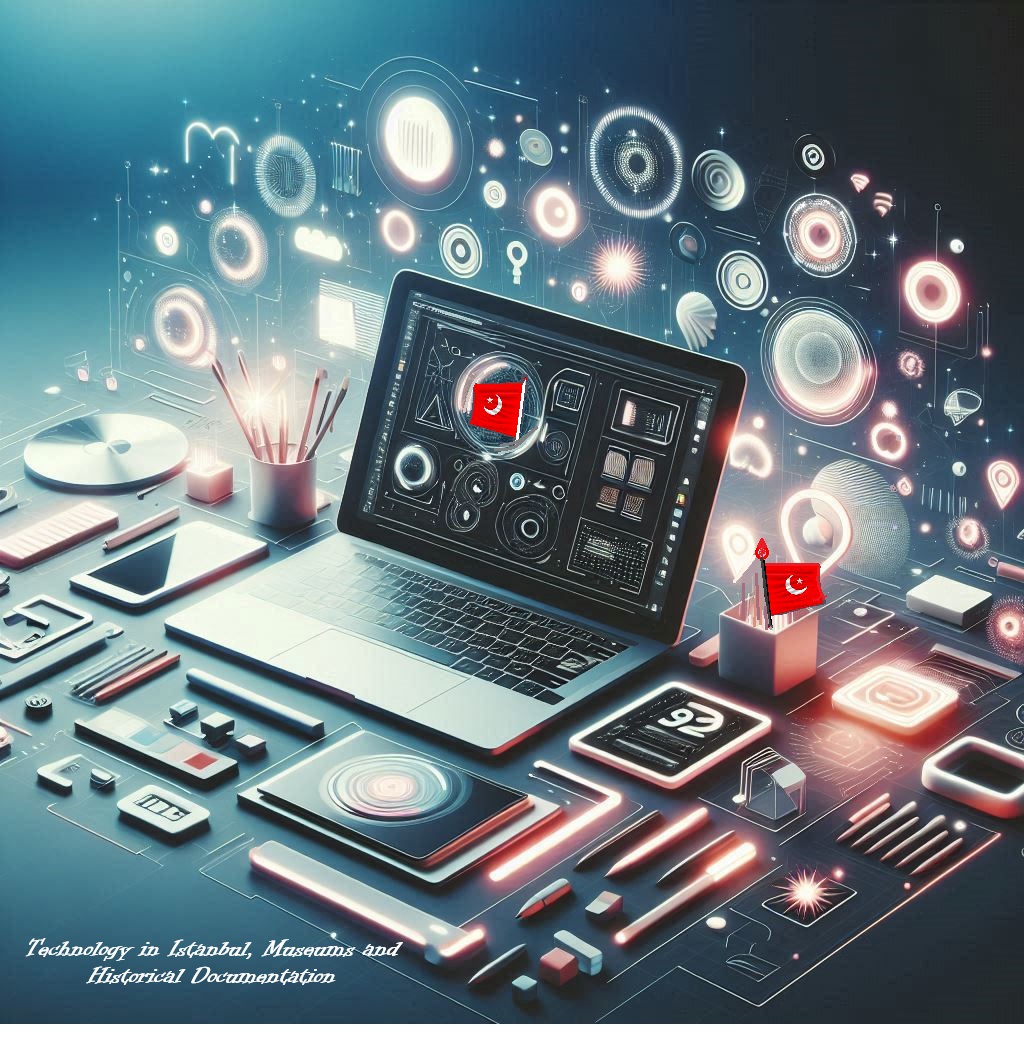
Technological Development in Istanbul: Istanbul has demonstrated world. Excellence for over 200 years.
Side View of Istanbul: Where the City Meets the Horizon
Introduction: A City Shaped by Light and Distance
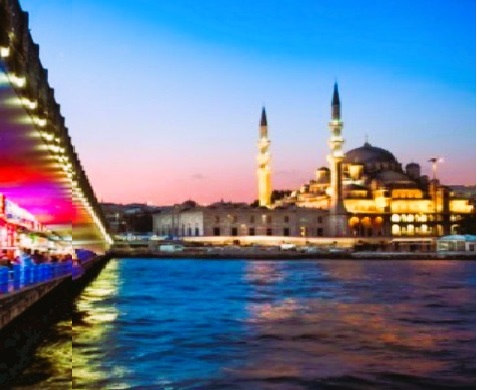
From a distance, Istanbul appears like a dream suspended between continents.
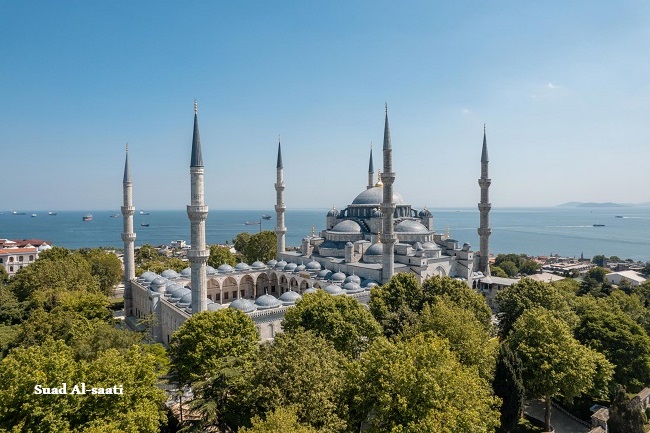
The Sultan Ahmed Mosque in the Fatih District of Istanbul
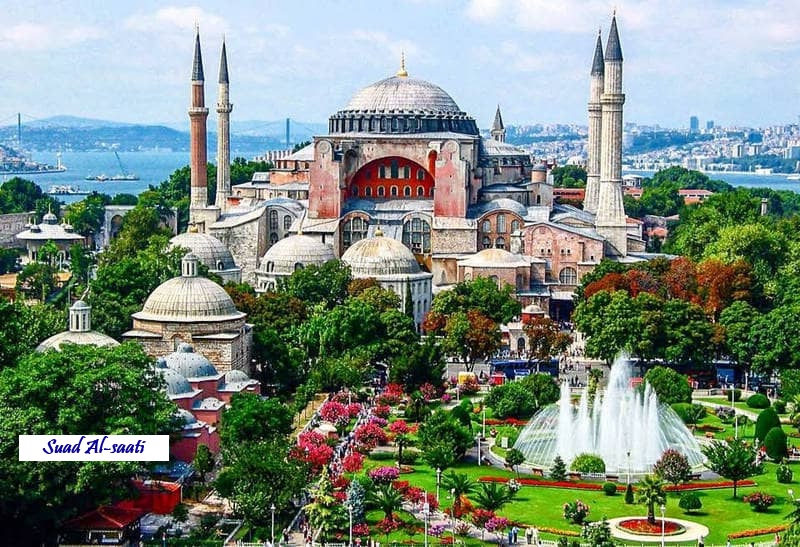
The creativity and excellence for which Turkey has been renowned since ancient times are evident in its architectural landmarks
Istanbul: The Center of Eurasian Interaction
A region between Asia and Europe: a promising journey for growth and trade
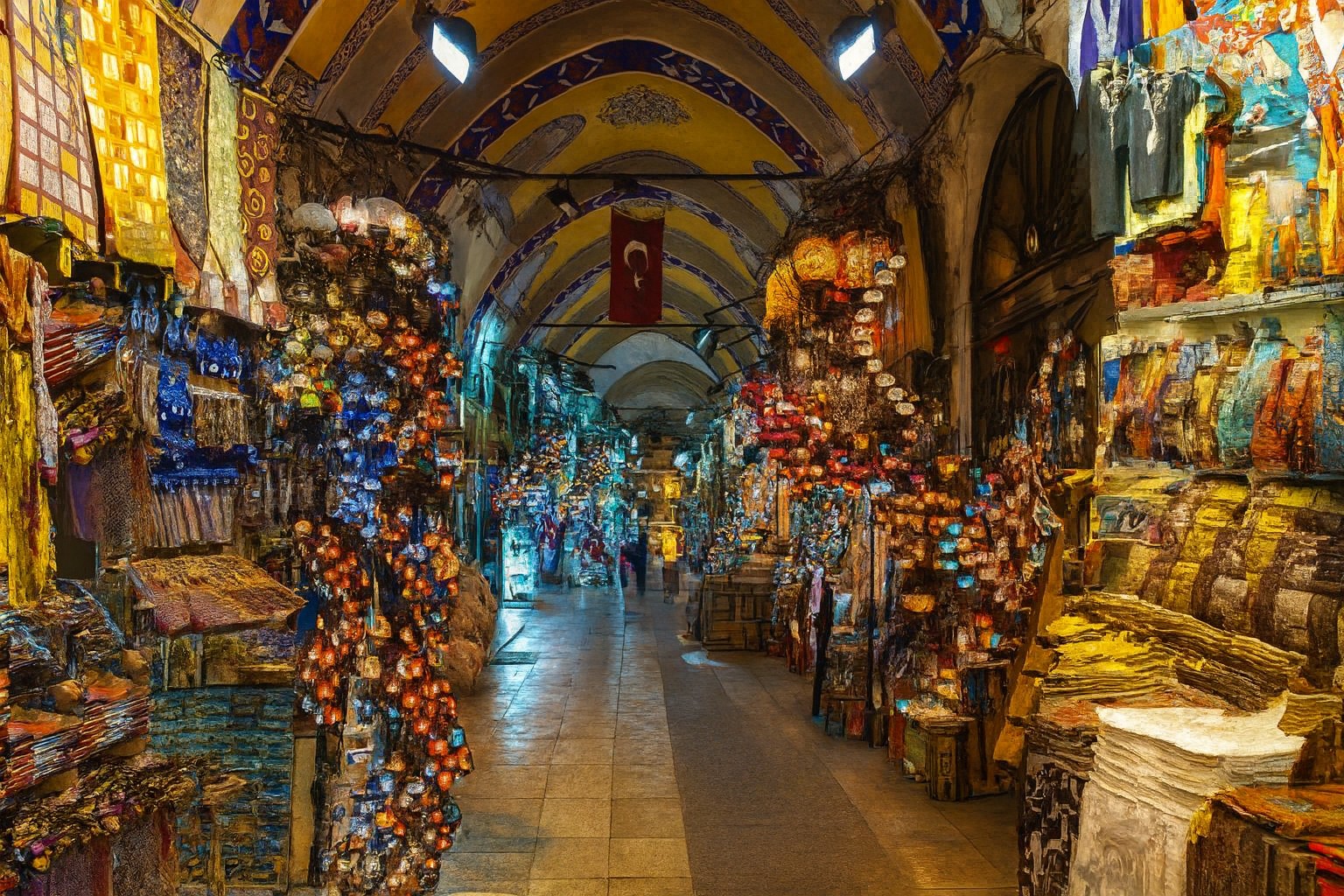
The Cultural Pulse of Istanbul’s Markets The markets scattered throughout the city reflect a rich heritage of ancestral crafts, storytelling, and community life. Each market has its own rhythm, a unique creativity shaped by its patrons, and traditions that continue to flourish within its walls. Kapalıçarşı: Istanbul’s Beating Heart Where Light Dances on the Faces … Read more
Dolmabahçe Palace stands as one of the Ottoman Empire’s most iconic residences, blending European architectural elegance with imperial symbolism. Built under Sultan Abdulmejid I, it became the administrative and ceremonial heart of the empire between 1856 and 1922, reflecting a transformative era in Istanbul’s cultural and political history.